Paper notes / guide
The paper-fit and desk-space guide
Compare Letter fit, filing actions, capacity, organizer footprint and gentle material care.
Start with the sheet you actually use
US Letter is 8.5 by 11 inches. US Legal is 8.5 by 14 inches, and A4 is a different format again. A folder described for Letter does not automatically fit those other sheets. Measure a representative packet, including any cover, tab, sleeve or fastener. Avoid trimming or folding important originals just to make a storage product work.
Compare the folder's description with your task, then use its dimensions to check the space where it will live. Listed exterior measurements are not a measurement of the opening, slot or interior pocket. If that distinction decides your purchase, ask about it before ordering. Do not estimate a hidden interior dimension from the visible edges of a product photograph.
Choose a filing action
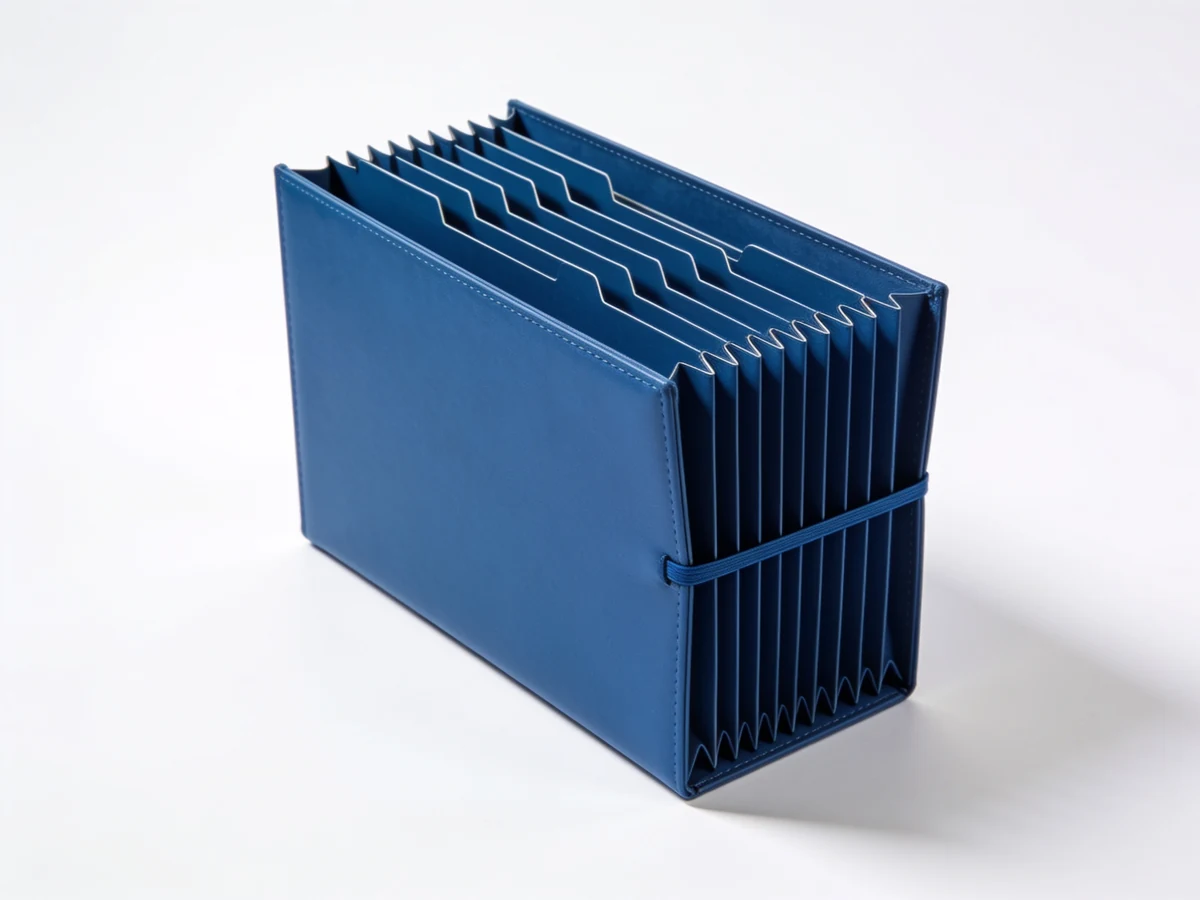
For loose pages that move between places, the accordion wallet provides twelve pockets and an elastic closure. Divide by subject or next action rather than stuffing every pocket to the same thickness. The presentation folders have two pockets and come in a pack of five; they suit short, flat packets, not bulky stacks.
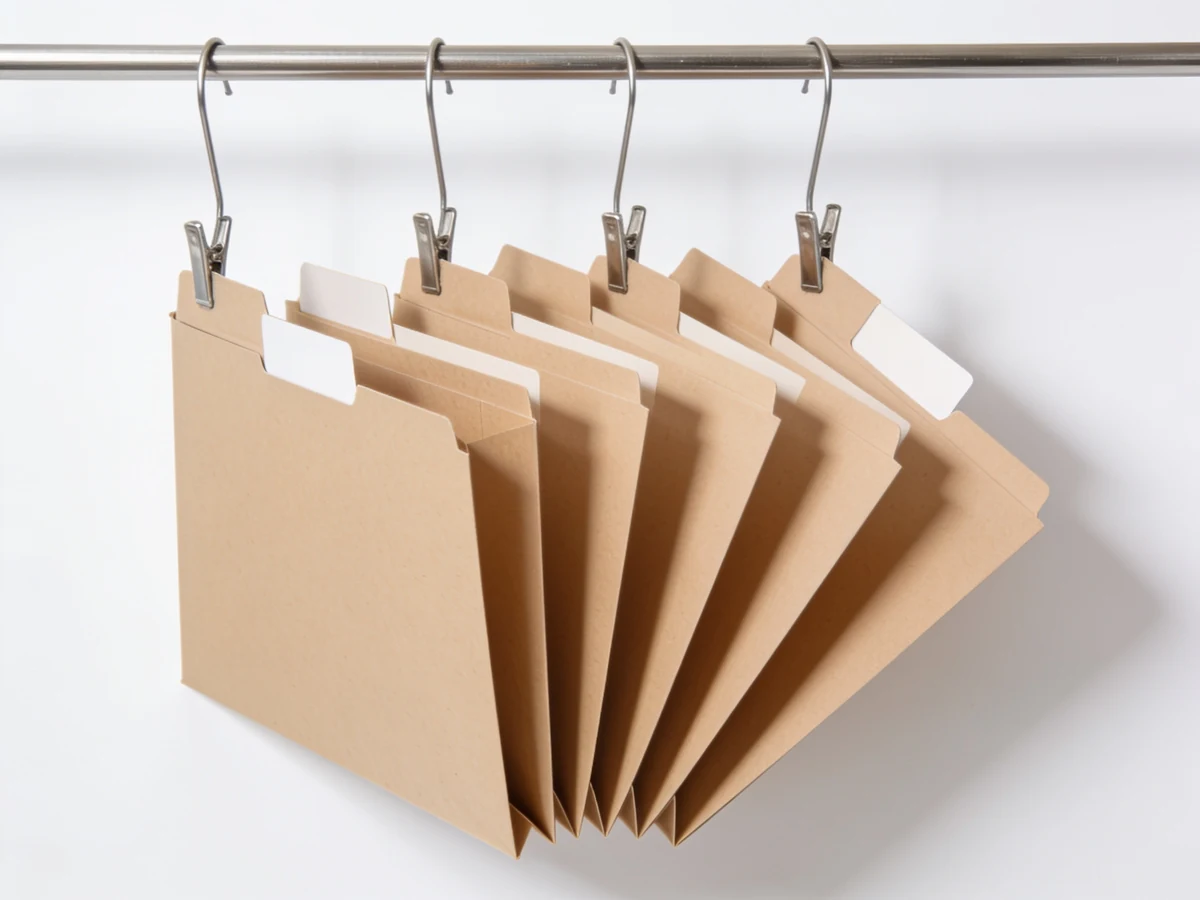
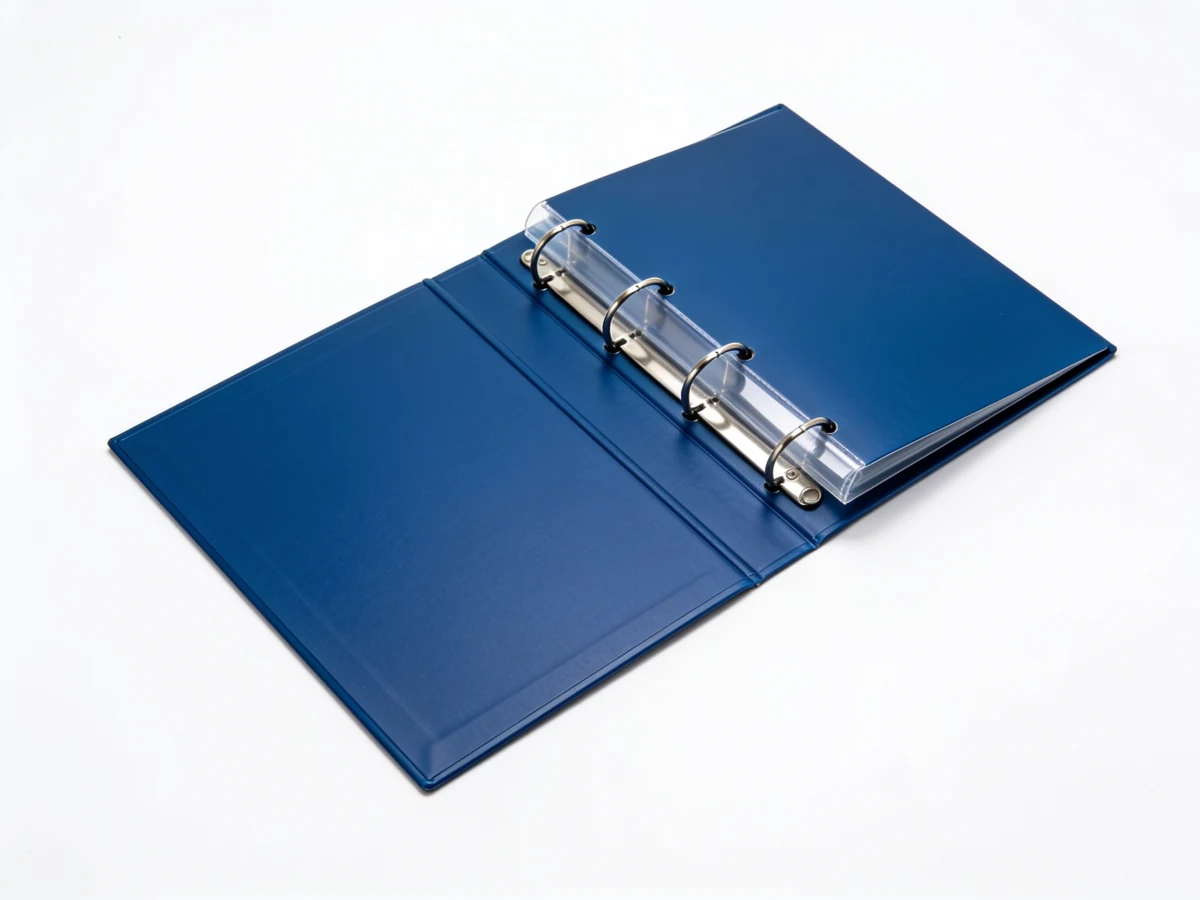
The project box has a snap closure and a 13 by 10 by 2 inch exterior. Keep its contents low enough that the closure works without pressure. Hanging folders need compatible rails and provide open-top access. Their set contains ten folders and blank tab holders, not labels. The ring folder uses a steel four-ring mechanism for punched Letter sheets; check your paper's hole arrangement rather than punching valuable originals without a plan.
Read capacity without inventing a page count
A one-inch ring capacity describes the ring mechanism. It is not a universal number of sheets: heavy paper, punched sleeves, index dividers and curled corners all change the result. Leave enough room to turn pages without tearing them and check that the rings meet cleanly. Never push down on a stack to make the mechanism close.
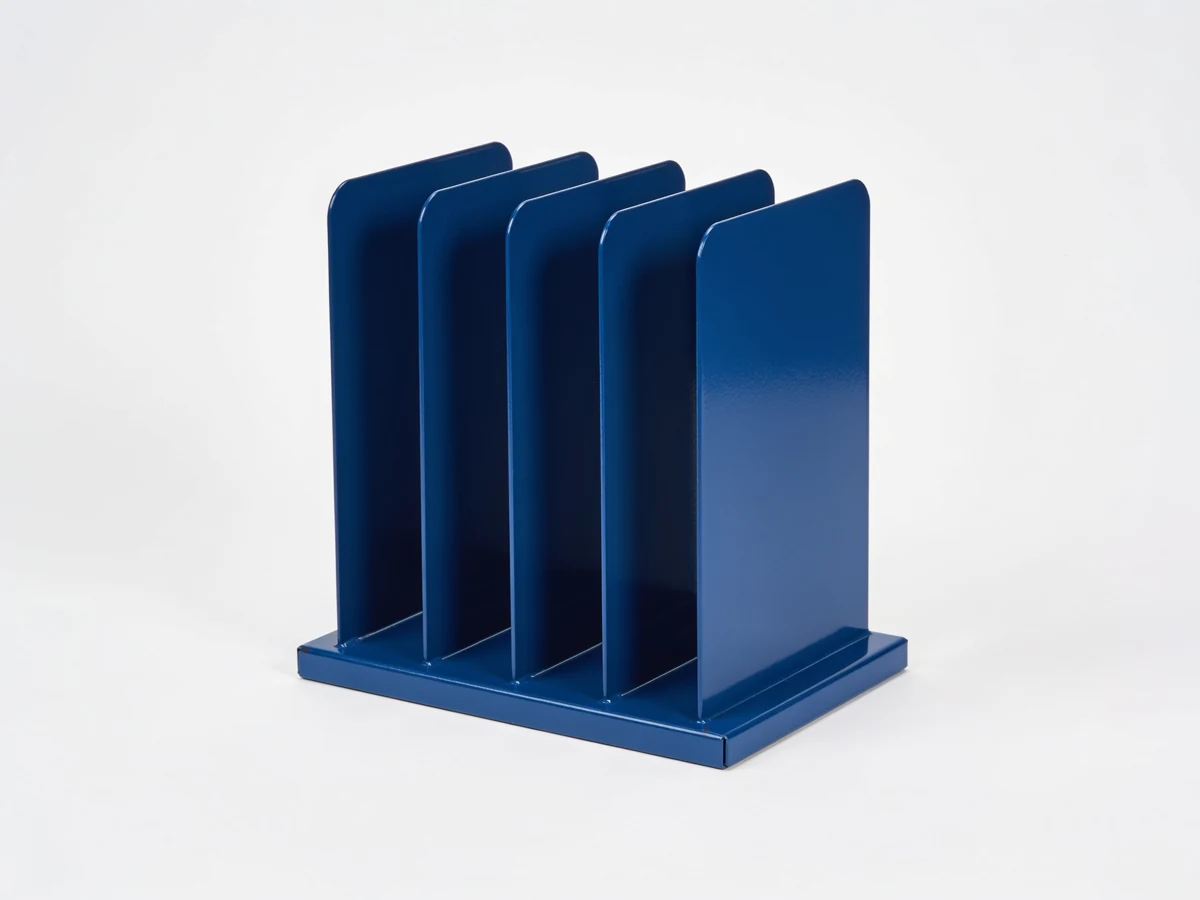
Likewise, twelve pockets, five upright slots and three tray levels count divisions, not weight capacity. The catalogue does not state tested load limits or sheet totals. Keep organizers stable on level surfaces, distribute ordinary contents sensibly and stop before a pocket bulges or a tray becomes difficult to use. For a thick or unusually heavy packet, ask before selecting a product.
Make a footprint check
Measure the clear surface in two directions and look above it as well. Letter trays occupy 13 by 10 inches and stand 9 inches high; pages need approach room at the front. The vertical sorter measures 12 by 7 by 7.5 inches, but folders may extend above it. Check shelf clearance with the intended contents, not only the empty organizer.
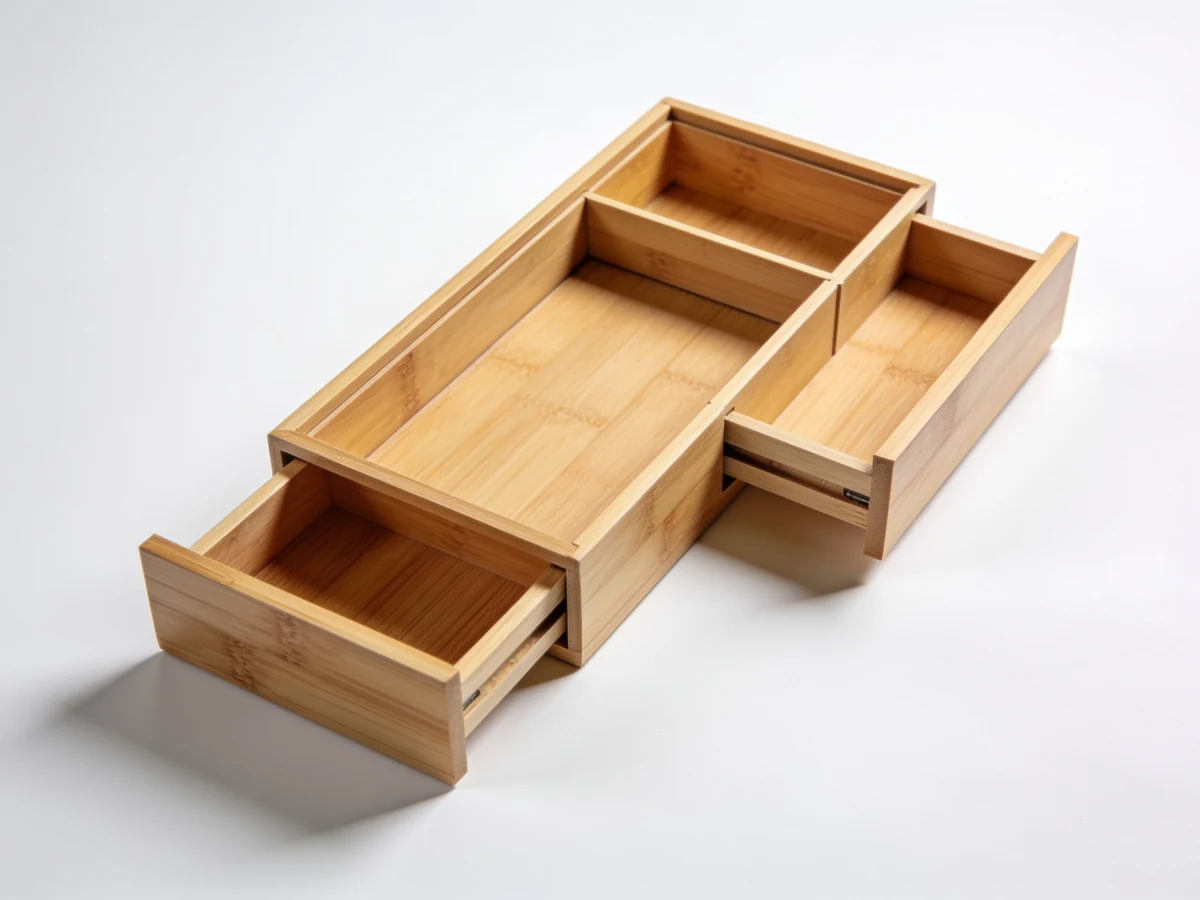
A caddy needs 9 by 5 inches of surface space. A carousel has a 7.5-inch diameter and should turn without striking a wall or neighboring object. For the bamboo drawer organizer, measure inside the drawer: 12–18 inches of width, 9 inches of depth and more than its 2-inch height where the drawer closes. Allow normal working clearance; a nominally equal measurement is not a fit guarantee.
Build a repeatable paper route
Give the first tray or folder a single meaning, such as incoming. Decide what makes a sheet ready to leave it: a signature, a reply or a filing decision. Keep one active project within easy reach and move finished material to its longer-term place. A sorter works better when the visible groups are meaningful than when each slot holds an unrelated overflow pile.
For shared desks, label your own categories without putting confidential names in public view. Before discarding any document, follow the retention rules that apply to your situation. These products do not determine how long records must be kept, and this guide does not provide legal, tax or records-management advice.
Clean empty, dry completely
Remove paper and tools before cleaning. Wipe polypropylene, ABS and powder-coated steel gently with a soft, lightly damp cloth, then dry. Do not soak kraft board, steel hardware or bamboo. Avoid abrasive cleaners and solvents that can affect surfaces. Keep bamboo away from standing moisture and let a cleaned drawer dry before putting the organizer back.
Do not treat any product as a waterproof envelope, fire-resistant container or secure lockbox. Keep food, drinks and wet cleaning supplies away from important papers. If a product arrives damaged, pause use and contact us; do not try to bend hardware or glue parts back together before discussing the problem.